Guide to home styles: Find your perfect home type

One of the first questions you’ll need to answer when buying a home is what type of house you are looking for. Everyone has their own priorities and checklists in mind, but when house hunting gets under way, you could quickly feel overwhelmed by the options.
In addition to the many financing options you’ll have to choose from, there are a variety of home styles on the market, each coming with their own advantages that you might be looking for as a buyer:
- Single-family
- Apartments
- Townhomes
- Condominiums
- Mansions
- Cottages
- Mobile homes
- Bungalows and ranch homes
- Victorian homes
1. Single-family
Single-family homes might sound self-explanatory, but there are a few characteristics that differentiate this type of domicile from the others on this list. In addition to being used as a private dwelling unit, these structures usually feature their own parcel of land, free of any shared walls with neighbors.
A single-family home is a popular choice for first-time buyers, offering privacy, space and full control over the property. Over time, you’ll have built a solid portfolio of equity that can be leveraged for another investment or property purchase.
2. Apartments
Apartments are commonly thought of as rentals, but those who prefer the conveniences of city life might opt to own one instead.
If you’re tired of spending money on rent but don’t want to give up the amenities that come from living in a shared building, taking out a mortgage for an apartment might be the right choice. An apartment-style unit will be either under a condominium or cooperative form of ownership and may also fall under the jurisdiction of a homeowners association.
Some might turn away from apartments because of the potential for reduced privacy and additional restrictive covenants. However, apartments give buyers the chance to build equity at a lower cost than a traditional single-family home. For those living solo or with a small family on a budget, apartments might be the perfect option.
3. Townhomes
If apartments seem a little too cramped, a townhome could be a suitable alternative. These attached housing units come with multiple floors and provide affordable and spacious living options in urban settings. Like apartments, townhomes are usually part of a larger complex.
A major difference between apartments and townhomes comes down to ownership. While both types of housing can be mortgaged, townhome owners have a claim to the land the dwelling sits on. As the property title holder, you’ll have additional responsibilities similar to single-family homes, such as managing exterior maintenance and landscaping any outdoor space surrounding the home.
4. Condominiums
The high demand in urban and suburban areas has been a constant burden for house hunters. The walkability, resources, entertainment and economic opportunities in these neighborhoods drive up prices as more people move to these communities. While areas like these are ideal settings for a home, the average cost of single-family units can fall well beyond a realistic price range for some. As an alternative, you might want to consider a condominium.
A condo is another kind of privately-owned residence attached to a larger complex. These units allow you to enjoy the advantages of homeownership without the higher costs and hassle of buying a full-scale house. Condo-specific perks like general exterior maintenance and shared communal areas benefit residents with a stress-free but community-oriented style of living.
5. Mansions
As the most luxurious and expensive type of home on this list, mansions are a sought-after but hard-to-acquire piece of property.
It’s important to remember a mansion’s definition can vary depending on its location and square footage. For example, a home considered a mansion in Alabama may be significantly larger than one with the same price tag in Connecticut due to regional differences in real estate values.
Buyers who are in the market for large homes like these might opt for a nonconforming jumbo loan, which typically requires an exceptional financial background and comes with large expenses.
6. Cottages
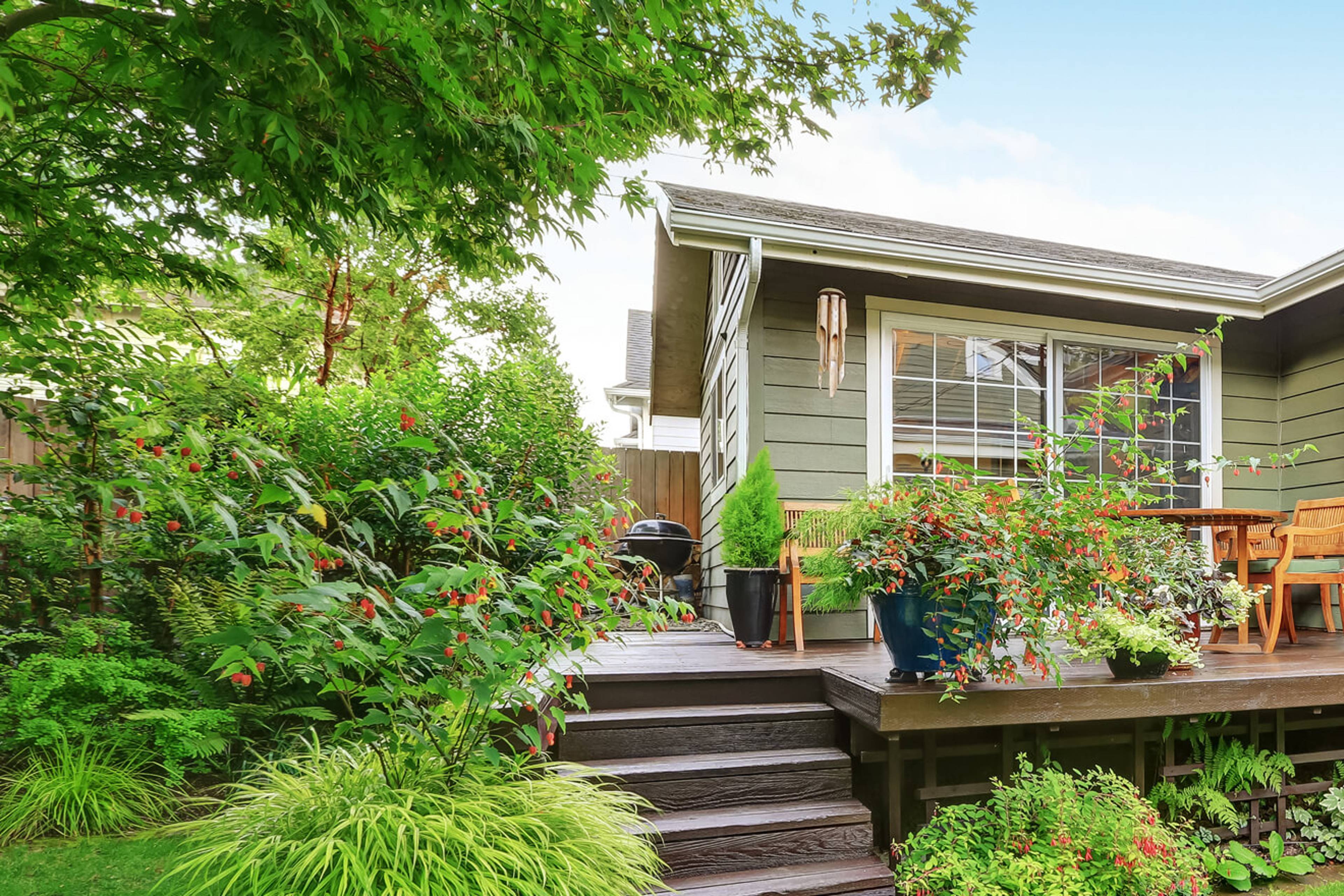
For a cozier environment with a little more aesthetic charm, you might look into a cottage-style home. Originally popularized in Europe, this style rose to prominence in the U.S. as homesteads in rural areas.
Today, cottages are often thought of as vacation homes or investment properties. Given their mostly rural setting, cottages might be cut off from more desirable, urban areas.
7. Mobile homes
If cost and convenience are your major concerns when researching the market, a mobile home might provide the option you’re looking for. Also known as manufactured homes, these structures are usually built elsewhere before being shipped to a leased plot of land.
Mobile homes also provide flexibility. Some buyers might own a plot of land and decide to place a mobile home there rather than build up an attached property. When it comes time to move, these units can be detached from their plot and shipped elsewhere.
8. Bungalows and ranch homes
Bungalows and ranch homes both usually offer one-story, single-family structures. Often confused for one another, there are a few key features that differentiate these types of homes:
Bungalows
Bungalows and ranch homes usually offer one-story, single-family structures. Often confused with each other, there are a few key features that differentiate these types of homes:
Like ranch homes, this single-family style is popular in urban and suburban settings.
Ranch homes
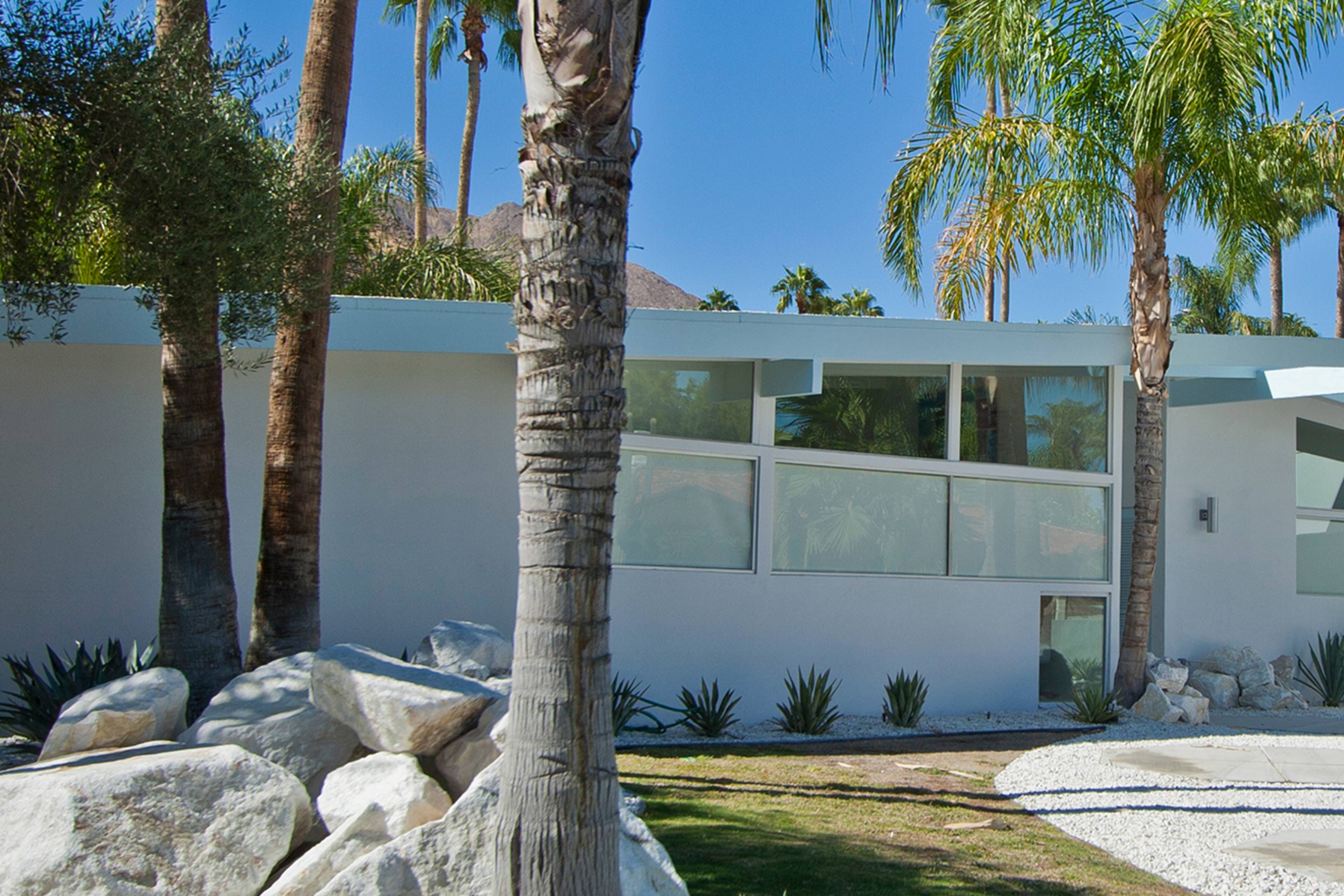
At one point in the United States, ranch homes were the most popular housing option for first-time buyers. As demand has shifted to larger homes, the ranch style has fallen a bit out of style.
However, these low, long homes offer a number of special amenities such as open dining rooms, spacious living rooms and full basements. Despite not seeming huge from the outside, this classic style of living has a lot to offer.
9. Victorian homes
Victorian homes were commonly constructed during the Industrial Revolution, giving them a recognizable but old-school appeal for homebuyers. Since their construction has become rarer in recent decades, a Victorian home can be an expensive housing option, possibly requiring you to apply for a nonconforming loan.
Nonconforming loans can come with added risk taken on by your lender, which is reflected in the rigorous underwriting process and higher closing costs associated with this type of lending. If you’re hoping to land a Victorian home, you’ll need a good credit score and plenty of cash for a large down payment.
How can I find the right type of home for me?
With so many styles and settings to choose from, it can be difficult to weigh the pros and cons of each. While single-family homes might be the most sought-after option, it’s important to consider the advantages of alternative residences like condos, apartments or townhomes.
If you’re still not sure which type of home is best for you, it’s best to meet with a Loan Officer and get a feel for your borrowing capacity. That way, you’ll be able to begin the mortgage process with confidence and land the home that suits you best.
Applicant subject to credit and underwriting approval. Not all applicants will be approved for financing. Receipt of application does not represent an approval for financing or interest rate guarantee. Refinancing your mortgage may increase costs over the term of your loan. Restrictions may apply.
All information provided in this publication is for informational and educational purposes only, and in no way is any of the content contained herein to be construed as financial, investment, or legal advice or instruction. OriginPoint does not guarantee the quality, accuracy, completeness or timelines of the information in this publication. While efforts are made to verify the information provided, the information should not be assumed to be error-free. Some information in the publication may have been provided by third parties and has not necessarily been verified by OriginPoint. OriginPoint, its affiliates and subsidiaries do not assume any liability for the information contained herein, be it direct, indirect, consequential, special, or exemplary, or other damages whatsoever and howsoever caused, arising out of or in connection with the use of this publication or in reliance on the information, including any personal or pecuniary loss, whether the action is in contract, tort (including negligence) or other tortious action.
Your journey home begins here.
OriginPoint's Same-Day Mortgage (aka “FastTrack”) promotion offers qualified customers who provide certain required financial information/documentation to OriginPoint within 8 hours of locking a rate on a mortgage loan the opportunity to receive a loan approval within 1 business day of timely submission of documentation and does not suggest that the borrower will receive funding on the same day as their application submission. For purposes of this offer, documents provided after 1 pm local time or on a weekend or company holiday will be deemed submitted the next business day. OriginPoint cannot guarantee that a loan will be approved or that a closing will occur within a specific timeframe. OriginPoint reserves the right to revoke this approval at any time if there is a change in your financial condition or credit history which would impair your ability to repay this obligation. Read and understand your Loan Commitment before waiving any mortgage contingencies. Borrower documentation and Intent to Proceed must be signed within 8 business hours of receipt. Not eligible for all loan types or residence types. Minimum down payment requirements apply. Self-employed borrowers and Co-borrowers are not eligible. Not all borrowers will be approved. Borrower's interest rate will depend upon the specific characteristics of borrower's loan transaction, credit profile and other criteria. Eligible borrowers who successfully provide all required documentation within 8 business hours will receive a $250 Closing Cost Credit applied at closing, no cash value, and may not be combined with any other Lender promotions, discounts, or concessions. Not available in all states. Restrictions apply. Visit OriginPoint.com/same-day-mortgage for terms and conditions.
**Eligible borrowers must qualify for a "Clear to Close Loan Commitment" ("CTC”). OriginPoint cannot guarantee that a loan will be approved or that a closing will occur within a specific timeframe. CTC is subject to certain underwriting conditions, including clear title and no loss of appraisal waiver, amongst others. Not eligible for all loan types or residence types. Minimum down payment requirements apply. Property must be eligible for an Appraisal Waiver and borrower must opt in to AccountChek for automated income and asset verification. Self-employed borrowers and Co-borrowers are not eligible. Not all borrowers will be approved. Restrictions apply.
Applicant subject to credit and underwriting approval. Not all applicants will be approved for financing. Receipt of application does not represent an approval for financing or interest rate guarantee. Restrictions may apply, contact OriginPoint for current rates and for more information. All information provided in this publication is for informational and educational purposes only, and in no way is any of the content contained herein to be construed as financial, investment, or legal advice or instruction. OriginPoint LLC fka Guaranteed Rate Affinity, LLC does not guarantee the quality, accuracy, completeness or timelines of the information in this publication. While efforts are made to verify the information provided, the information should not be assumed to be error free. Some information in the publication may have been provided by third parties and has not necessarily been verified by OriginPoint LLC fka Guaranteed Rate Affinity, LLC. OriginPoint LLC fka Guaranteed Rate Affinity, LLC its affiliates and subsidiaries do not assume any liability for the information contained herein, be it direct, indirect, consequential, special, or exemplary, or other damages whatsoever and howsoever caused, arising out of or in connection with the use of this publication or in reliance on the information, including any personal or pecuniary loss, whether the action is in contract, tort (including negligence) or other tortious action. OriginPoint does not provide tax advice. Please contact your tax adviser for any tax related questions.